


Here’s what operators need to know—at least those who have stayed out of it—to weigh up investments and get involved in a specific sector that earns tour operators and travel agencies €135 million every year.
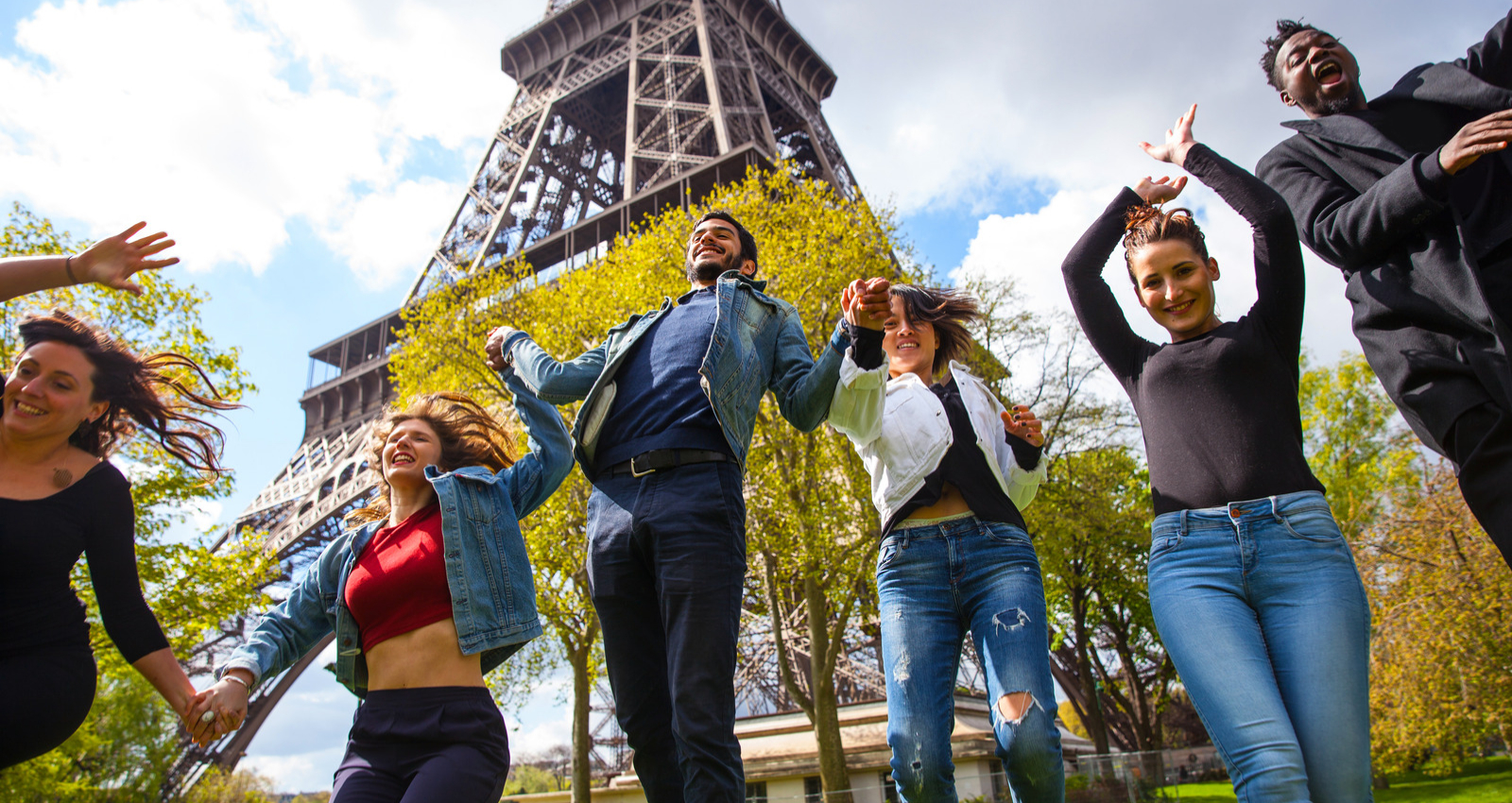
With schools reopened, preparations are starting to stir for organising school trips and outings. Italian school tourism generates €1.4 billion a year, involves at least 4.5 million students, and brings with it over 9 million overnight stays. These figures come from a study by the Aidit Federturismo Confindustria Observatory, whose data, published in September, offer not only the sector’s total economic size in hard cash but also describe a segment that operates across multiple fronts at once—spanning transport and accommodation, right through to catering, cultural operators, and, of course, travel agencies.
The Federturismo survey was based on the monitoring of over 1,300 schools and 6,900 teachers, estimating the sector’s direct employment at around 8,000 people, to whom more than 40,000 workers in the supply chain can be added.
The largest share of spending concerns transport, which absorbs 35 per cent of the market, equal to around €490 million. Next come accommodation providers, with 27% and €380 million, and catering, which accounts for 16%, equivalent to €225 million. Cultural activities—including museums, guided tours, and educational workshops—are allotted around €170 million, 12% of the total. As for the intermediation by travel agencies and tour operators, this spending is worth €135 million, equal to 10 per cent of the overall €1.4 billion.
Also worth considering is the way school tourism occupies an important role in spreading demand across the seasons. In fact, 72% of trips are concentrated between March and May, while the remaining 28% covers the span running from historically lean October all the way to the bitter cold of February. School tourism is therefore a segment capable of making up for tourist demand that is reduced in the periods outside the summer high season.
The slice of trips abroad is very thin, since around three-quarters of the flows remain in Italy, where the most sought-after destinations are still Rome, Naples, Florence, Venice, and the archaeological sites of Campania.
How much is spent on each schoolchild? To understand this, we should look at a survey by Didatour, carried out in collaboration with the La Fabbrica Research Centre and published last August. According to the study, during the previous school year 99% of schools organised at least one outing or educational trip, while 75% offered both experiences. More than 60% of schools favour short stays of one or two nights, predominantly in three-star hotels, with a budget generally no higher than €300 per student.
Although it holds a not-insignificant share derived from the investments of private schools, the sector remains essentially publicly driven, and must necessarily contend with the awarding procedures laid down by the Public Contracts Code. Recent difficulties in interpreting that code had raised concerns among schools and operators, prompting Aidit to organise a webinar in September with over 700 participants. The event clarified the procedures for purchasing tourism services, specifying the €140,000 spending threshold as the limit within which schools can act in complete autonomy.
What emerges, then, is the economic scale of a segment that stands imposingly on two fronts: on the one hand, the educational role of study trips for the public school system, and on the other, the economic aspect, which encompasses the commercial planning carried out by agencies, tour operators, and hospitality businesses.