



Up 11.8% in 2025, the market is looking beyond the traditional art cities. The Dolomites are driving organised tourism, while families and independent travellers seek new experiences
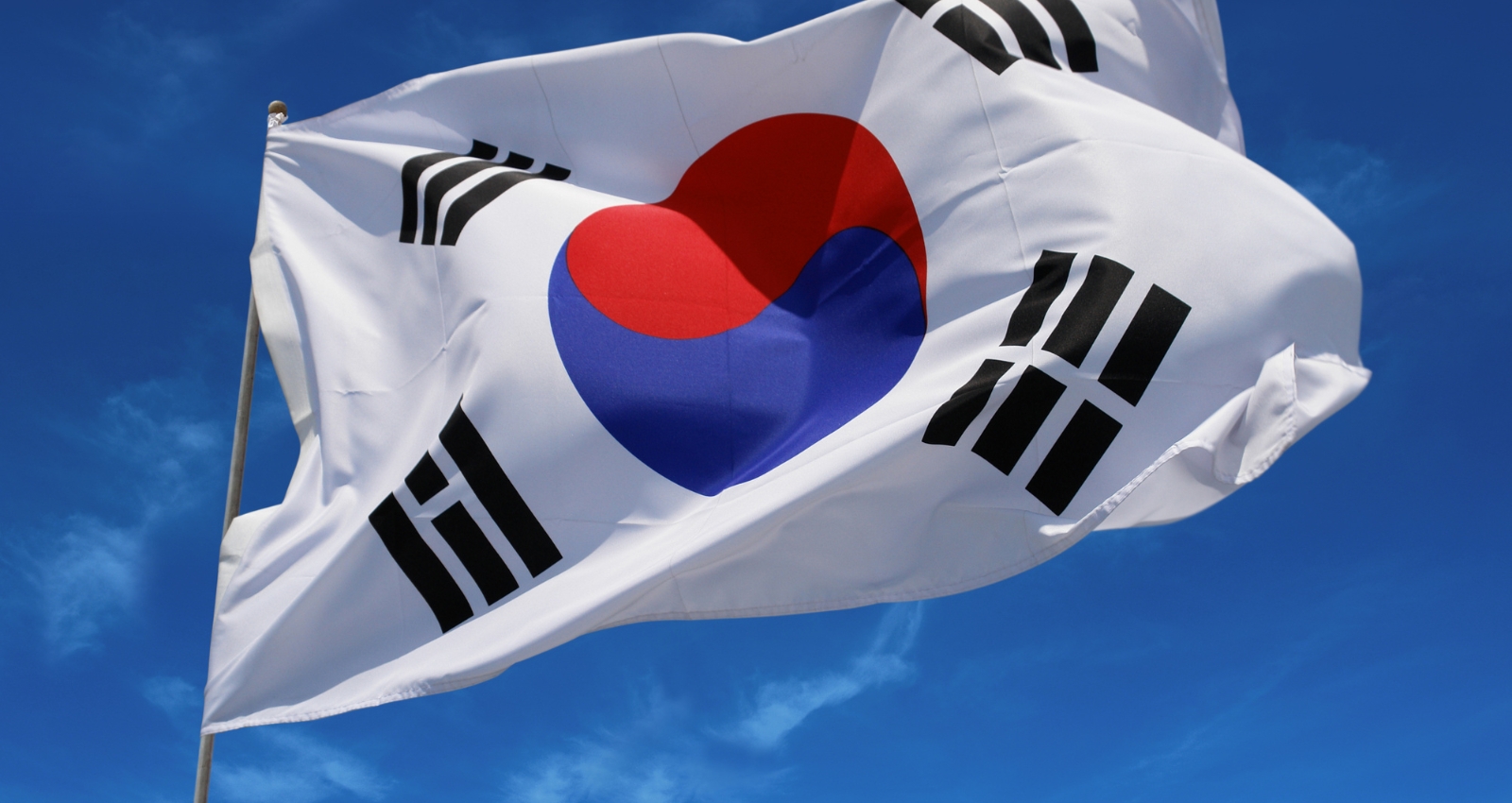
More than a million South Korean tourists arrived in Italy last year, an increase of 11.82% compared to 2024. It is the highest figure ever recorded — higher even than pre-pandemic levels — according to ISTAT statistics released by the Italian Chamber of Commerce in Korea and reported by Assocamerestero last August.
The South Korean market is also showing a shift in travel preferences: alongside the traditional cultural destinations, interest is growing in the mountains, active tourism, villages and food and wine. It is a demand that is attracting more and more Italian territories, and one with a significant peculiarity — October records more arrivals than August, thus contributing to spreading visitor flows beyond the peak season.
The four traditionally most-visited regions — Lazio, Veneto, Tuscany and Lombardy — still account for over 80% of arrivals. But other destinations are showing major increases: in 2025 Puglia in fact tops the ranking with growth of 105.37%, followed by the Marche with an increase of 76.55%, Trentino-Alto Adige (65.79%), Sicily (40.91%) and Emilia-Romagna at 39% — albeit with differing absolute volumes.
The Dolomites win over Korean tour operators
According to ENIT’s monitoring of organised tourism in summer 2025, half of the South Korean tour operators surveyed reported an increase in sales of packages to Italy, with average growth of 63.8% compared to the previous summer among the operators that recorded increases.
The result for the Dolomites is particularly significant. Here, packages dedicated to mountain destinations recorded a 300% rise in the sales surveyed, with itineraries lasting an average of 12 days. Trekking, visits to botanical gardens and farms, and the discovery of natural landscapes stand out among the most sought-after activities.
At the same time, traditional packages dedicated to Rome, Florence and Venice recorded a 10% drop in sales among the monitored operators, while food-and-wine proposals and routes through villages and rural areas — above all in Tuscany, Piedmont and Sicily — grew by 10%.
Families, couples and independent travellers
How do South Koreans travel? The family still plays an important role in organising holidays. According to a Korea Research survey on travel intentions for the first half of 2026, 59% of respondents planning a holiday abroad expected to travel with family members, 31% with friends or a partner, and 11% alone.
At the same time, the solo-traveller segment is developing, particularly among younger generations. In July 2026, the platform Agoda reported an 11% increase in searches for accommodation abroad by South Korean travellers over the first five months of the year. These, in short, are the general trends of the outgoing market.
Hospitality and culture: what Korean visitors expect
To welcome South Korean clientele, the British tourist board VisitBritain recommends that operators ensure clarity in communication, courtesy, swift check-in procedures and attention to detail. In hotels, it is therefore advisable to provide clear information and efficient service.
New opportunities for the Italian offer
For Italian operators, this outlines a Korean interest in Italy that is growing towards alternative destinations and off-peak travel. It is thus an opportunity to broaden the international distribution of their offer, promoting territories and tourism products that are less present in the traditional circuits.
Andrea G. Cammarata