


Just a few days left for Europe's eighteen-year-olds who want to set off and discover Europe with a free travel pass—plus why the EU runs projects like this and what comes of this push for tourism.
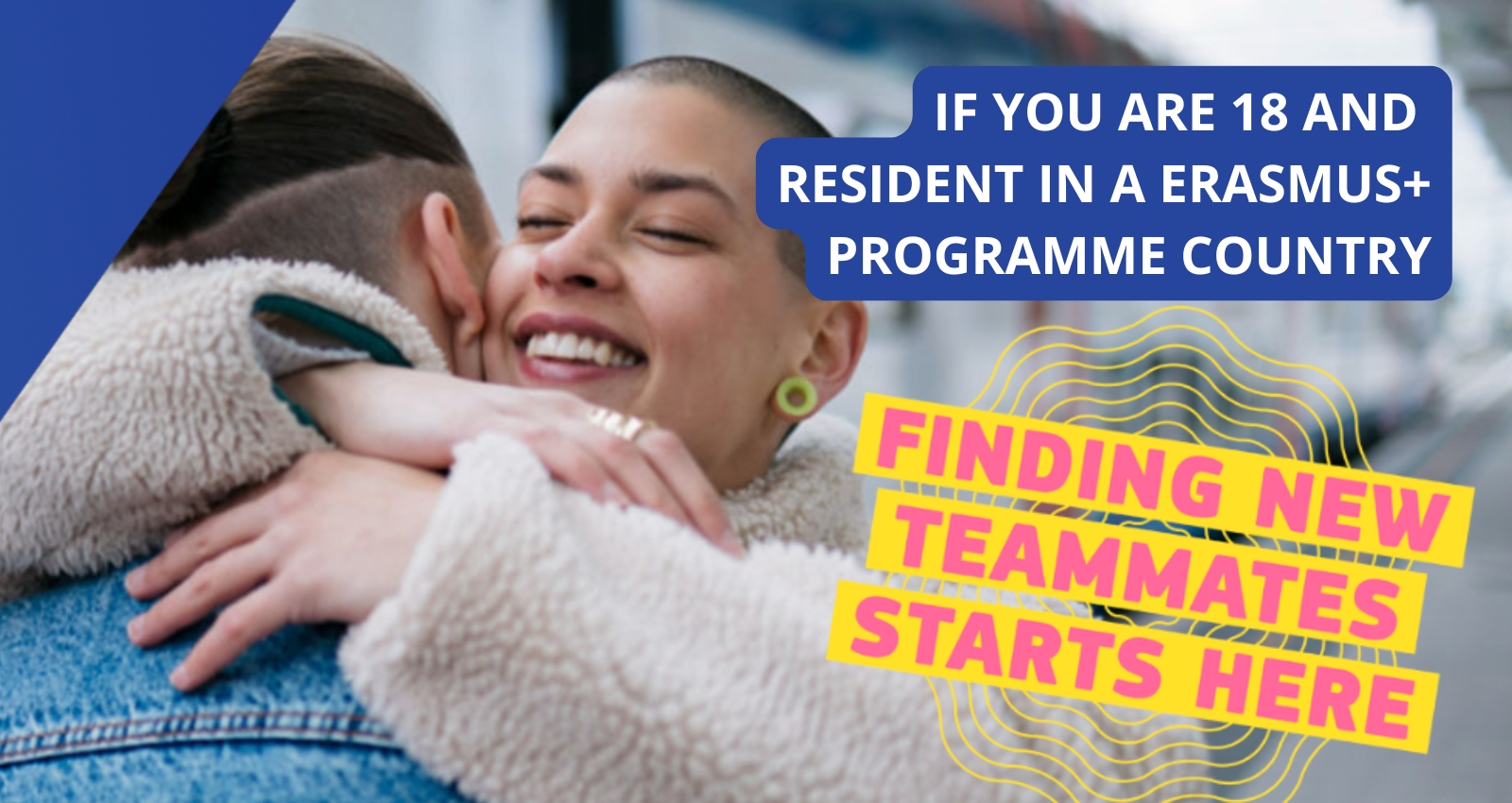
The call for DiscoverEU is still open until 12 noon on 15 October—the European Union initiative, also part of the Erasmus+ programme, through which the EU aims to encourage youth mobility, knowledge of Europe’s heritage, and encounters between young people from different countries. For 2026, around 40,000 passes are up for grabs.
There is very little time left for young people born between January and December 2008 who intend to apply. The opportunity on offer is to freely discover Europe and the often-underrated advantages the Union has made available to them—such as open borders, the single currency, and reduced roaming charges: those small or large conveniences that still allow us to travel so lightly across the 27 member states.
Among the requirements set by the initiative, besides being in one’s eighteenth year, applicants need residency or citizenship of an EU country or of countries associated with Erasmus+. To obtain what is ultimately an incentive to travel in Europe, you have to fill in the application online on the European Youth Portal. The steps to follow during the application include a check of eligibility requirements and a five-question quiz on knowledge of the European Union and its initiatives for young people.
The prize consists above all in a travel experience. The selected young people will be able to travel for up to seven days within a one-month window—including in groups of four—during the period between March 2027 and May 2028. The pass favours the modes of transport considered most environmentally friendly, in particular the train, with exceptions allowed in some cases, for example for those living on islands or in remote areas.
In addition to the rail ticket, those selected are also assigned a DiscoverEU card, which gives access to certain discounts on accommodation, culture, sport, local transport, and other services.
The European Commission’s aim is essentially to use travel as a tool for learning—to discover Europe’s diversity, its cultural and historical heritage, but also to build relationships with other young Europeans. For many, moreover, this is a genuine chance to get their first taste of travel, perhaps their first big trip, the one that will spark those to follow.
The format also leaves room for a collective dimension of everyday life, one sadly often undervalued in today’s society. As mentioned, in fact, it will be possible to travel in a group of four friends as well, provided all members meet the programme’s requirements. This approach turns the trip into a shared experience and memory, not just an individual one.
In short, indirectly, this EU initiative—beyond being a mere tool for promoting young people’s tourist mobility within the Union itself—is an invitation to experience Europe with a community-minded approach: a way of travelling together that breaks away from the recent trend of individual, introspective travel.
On that note, consider the Kantar research, conducted on over 10,000 consumers across ten markets, which describes Generation Z as the most inclined toward solo travel, with 20% of respondents saying they travelled alone on their last holiday.
DiscoverEU therefore aims to link tourism, education, and European citizenship. And it does so by subsidising travel, which becomes an occasion to experience Europe beyond the European place where we were born or raised—meeting others, practising new languages, and living European culture in all its facets. Participants will also have the opportunity to act as ambassadors for the initiative, and will receive an invitation to share their experiences.
The interest the project has generated since it was launched in 2018 is significant: thanks to the detail provided by the European Commission, we know that a full 2.1 million applications have been registered, with a total of 472,843 passes made available.
The initiative’s educational dimension also includes meetings before and after the trip, as well as dedicated activities within the framework of the national Erasmus+ agencies.
For those turning 18 this year, time is running out: applications close on 15 October at 12 noon, Brussels time. The results will be revealed next January, and for those selected, the journey can begin as early as March.