





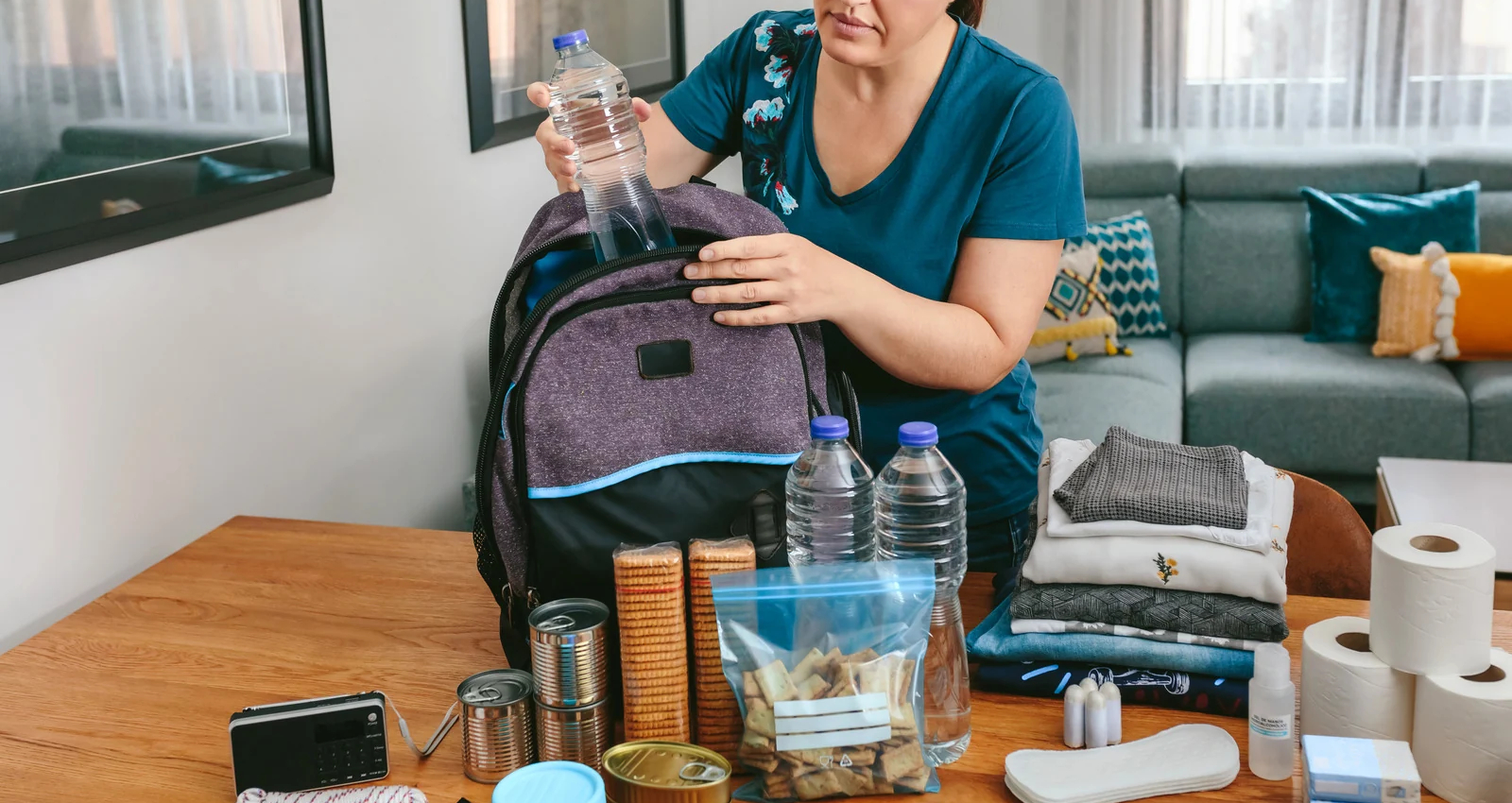
The new European strategy for tourism highlights the need to prepare facilities and destinations for geopolitical crises, natural disasters and service disruptions. Among the appropriate measures to be implemented, the Commission includes traveller information, evacuation plans and essential supplies
Hotels, B&Bs and tour operators are also affected by Brussels’ manoeuvres to address emergency risks. There is no obligation to distribute a survival kit to guests, but the Commission clearly outlines the organisation of facilities, assistance to travellers and the availability of essential goods that tourism operators should put to use in the event of a crisis.
The reference is contained in the working document Tourism – A Key Asset for Europe, published by the European Commission on 4 November. It is a substantial piece of work that explores, in general terms, the path of sustainable tourism in the Union (the EU Sustainable Tourism Strategy). In the chapter devoted to crisis preparedness and resilience, the Commission explicitly links tourism to the recent European strategy that prepares the population for self-sufficiency for at least 72 hours in emergency situations.
Within the broad range of risks considered by the Commission are — beyond the conflict stemming from the occupation of Ukraine — geopolitical crises, cyberattacks and extreme weather events. There are also passages on possible health emergencies, given the experience of the pandemic as well.
The guidance on population preparedness, the Commission observes, is particularly important for tourism and business travel, because visitors may not be aware of local risks, the procedures to follow, or the official channels through which to receive information.
The role assigned to destinations and businesses consists of contributing to visitors’ safety, ensuring them access to official alerts, awareness of the single emergency number 112, and instructions for evacuation or sheltering in place.
The Commission also stresses the need to prepare staff and to set up emergency plans and communication systems. There is also an invitation to keep essential supplies on hand to assist guests during service disruptions. The document does not, however, specify the quantities or types of supplies, or the number of days for which an accommodation facility should guarantee guests’ self-sufficiency.
There is therefore no generalised obligation to store water, food or other basic necessities for 72 hours for each guest. The reference to the 72 hours remains confined to the domestic self-sufficiency of the population, while for tourism — we repeat — the Commission limits itself to identifying organisational measures and assistance tools, without establishing a uniform provision.
As anticipated, the issue is not limited to war scenarios. Brussels also includes fires, floods, blackouts and transport disruptions among the adverse factors that can impact destinations, accommodation facilities and travellers — potentially all at once. This is a particularly significant problem in places that depend on seasonal tourism and for small businesses, which are more exposed to the economic consequences of a prolonged interruption of activity.
The document also refers to European projects dedicated to the safety of tourism infrastructure. Among these is WUITIPS, developed to assess facilities’ vulnerability to wildfires and to make available self-assessment tools, guidelines and prevention procedures. Other projects, including CAMPER SAFE, concern risk assessment, emergency planning and evacuation procedures.
In summary, the document urges greater cooperation between tourism businesses, local administrations and civil protection services. The Commission, however, leaves primary responsibility for crisis management to the member state.
The document also provides that the crisis-preparedness working group of the future EU Tourism Alliance should periodically assess the sector’s new needs and, if necessary, examine the possibility of developing further specific tools to address emergencies in tourism.
While not making emergency kits mandatory, the Commission ultimately identifies an operational role for hospitality businesses in the event of an emergency. The stated invitation is to ensure the safety of buildings and to be prepared to assist those people who, being on the move, might not have the information and resources needed to cope with a crisis.
Andrea G. Cammarata