



For tourism operators working in the Milan metropolitan area, here are two free sessions to learn how to implement AI in the best way, putting it at the service of the traveller who uses AI.
Artificial intelligence—a familiar theme, but by no means a given—is at the heart of two free webinars promoted by the Milan Monza Brianza Lodi Chamber of Commerce and Formaper, scheduled for 22 and 29 October, from 10 a.m. to 1 p.m. The sessions are reserved exclusively for tourism businesses in the provinces of Milan, Monza Brianza, and Lodi, but may also be attended separately.
Answers need to be found for those travellers who now all carry AI in their pocket. And tourism businesses and their operations need to adapt for those who use artificial intelligence during a trip and before it in a variety of ways—from the initial choice of destination, to comparing the properties where they intend to stay, or simply to find out about a particular tourist attraction.
In short, to the already well-established use of the many software tools dedicated to the hotel trade, the tourism operator must now add to their skill set an understanding of which typical AI tools are concretely useful for increasing visibility, improving the relationship with guests, and making travel operations more efficient.
The first session, on 22 October, revolves around the theme “AI for visibility, content, and the guest relationship.” It will delve into the new approaches in the tourist’s search journey and the growing importance of AI-generated answers. The proceedings will also address how websites, Google Business Profiles, portals, and reviews contribute to shaping a given property’s online presence.
Particular attention will go to generative AI applied to the production of multilingual content and copy, personalised offers, email marketing, review management, and the use of chatbots and assistants that can be integrated into websites and messaging channels. A live exercise on analysing the online presence of a real tourism property is also planned.
The second webinar, on 29 October, will instead shift the focus to data, efficiency, and automation. It will cover repetitive tasks, no-code automations, data analysis, internal organisation, and new tools to support commercial decisions, including those tied to demand and pricing.
One chapter will be devoted to AI agents and assisted booking, in view of a possible shift in the relationship between artificial assistants, tourism distribution, and the purchasing process. The aim, the promoters explain, is to help businesses build a six-month AI adoption roadmap, weighing costs, integrations, and priorities without introducing tools that lack a strategy.
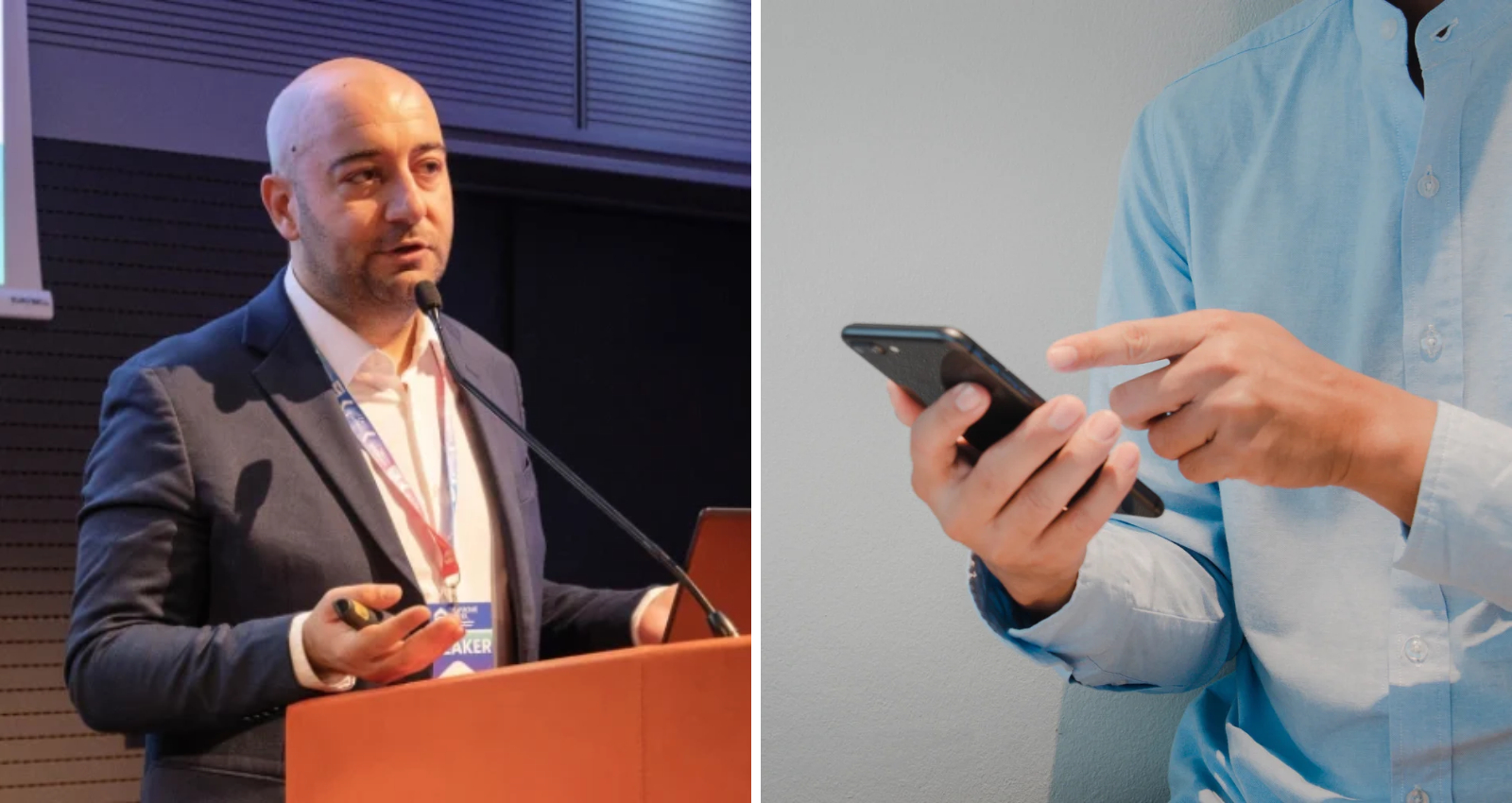
Both sessions will be led by Armando Travaglini, a digital marketing expert in the tourism sector, who has supported independent hotels, groups, and hotel chains in developing their web presence and marketing strategies. Travaglini is also a university lecturer and the author of several books dedicated to the tourism economy.
“The real question for a small tourism business is not which AI tools exist, but which ones are genuinely useful and how to integrate them into daily operations”—this is the perspective with which Formaper aims to bring technological innovation out of the experimental dimension and into the everyday processes of businesses.
Privacy, the handling of guest data, and transparency are themes equally included in the two sessions, confirming an approach that also takes into account the limits of artificial intelligence.
Participation in the webinars is free, subject to registration, and requires no specific technical skills. The organisers also plan to offer the possibility of requesting a certificate of attendance and of sharing the teaching materials at the end of the sessions.