



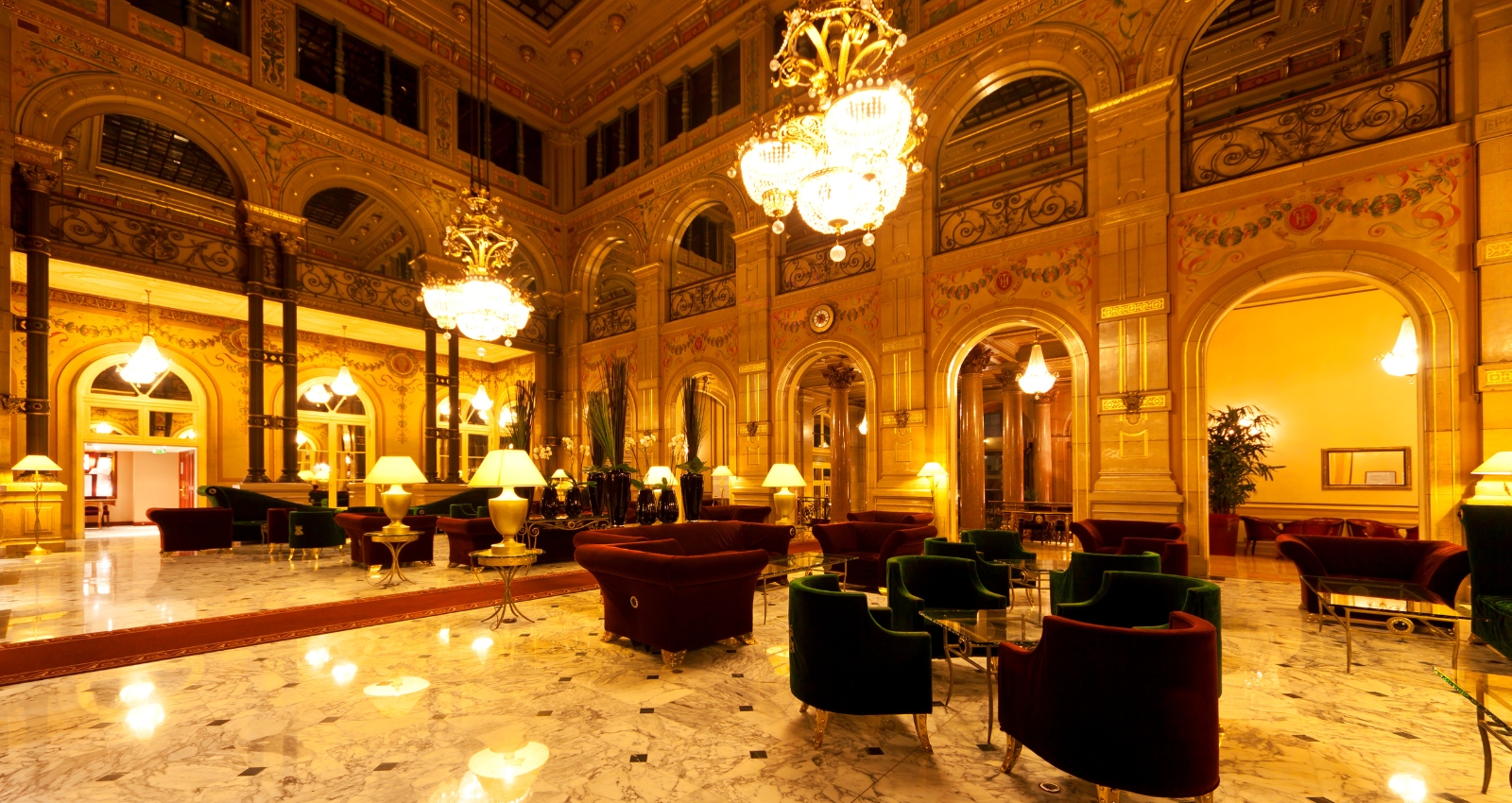
Mandarin Oriental, Six Senses, Rosewood, Orient Express and Airelles: never before have so many global luxury brands chosen Italy as a market for expansion. Rome, Milan and Venice are leading a transformation that is reshaping the country’s high-end hospitality offering.
One phenomenon in particular has redrawn the map of Italian luxury hospitality in recent months: the large-scale arrival of major international brands. Italy has confirmed its position as the European market experiencing the fastest growth in the presence of global hotel groups, with an unprecedented concentration of new openings in the upscale and luxury segments.
The pace of expansion is such that, according to estimates presented at the Hospitality Investment Forum EMEA, international investors are expected to be involved in almost 70% of new properties.
Italy’s major art cities are at the epicentre of this transformation. Following the openings of W Rome and The Rome EDITION, the capital is preparing to welcome brands including Rosewood, Four Seasons and the new Mandarin Oriental Rome.
The latter will be an ultra-luxury urban resort developed within the historic Gardens of Sallust, featuring 108 rooms and suites distributed across ten 19th-century villas. The project marks a new phase in the development of Rome’s high-end hospitality offering.
Milan, the New Capital of Luxury Hospitality
Milan, already home to established brands such as Four Seasons, Park Hyatt and Mandarin Oriental, is experiencing a new wave of hotel openings. In the Brera district, opposite the Pinacoteca di Brera, the Six Senses Milan is expected to bring the brand’s philosophy of sustainable luxury and wellbeing to the city. The property will offer 69 rooms, a rooftop pool and the signature Six Senses spa. In the Quadrilatero della Moda, Rosewood Milan is taking shape inside Palazzo Branca, while Rocco Forte is preparing to open a new address on Via della Spiga. These projects will be joined by the announced arrivals of Edition, W Hotels and Soho House, creating a constellation of properties combining architectural heritage, fine dining, wellness and luxury retail. Venice is experiencing a similar transformation. Alongside the Four Seasons project involving the conversion of the historic Hotel Danieli, Orient Express Venice is set to open in Palazzo Donà Giovannelli, offering 47 suites and a railway carriage-inspired bar designed to recreate the atmosphere of the brand’s celebrated luxury trains. The French hospitality group Airelles is also preparing to make its Italian debut on the island of Giudecca. Meanwhile, Arsenale Group has introduced the Orient Express brand to Italy through hotels in Rome and Venice, as well as the La Dolce Vita luxury train.
A Phenomenon Extending Beyond the Major Cities
The expansion of international brands is not limited to Italy’s metropolitan destinations. Four Seasons has opened properties in Taormina and Puglia, while IHG has extended the Six Senses brand to Umbria and announced further openings on Lake Como. Aman has complemented its Venice hotel with the Rosa Alpina in San Cassiano, Alta Badia. Cortina d’Ampezzo, ahead of the Winter Olympic Games, is preparing to welcome Mandarin Oriental’s first mountain resort. In Capri, the Oetker Collection and Jumeirah operate luxury properties, while Anantara has established a presence on the Amalfi Coast. The geographical reach of these developments says a great deal about the maturity Italy has achieved as a destination in the eyes of global hospitality operators. When brands of this calibre choose to enter a market with projects of such scale, they are not simply following a temporary trend. They are recognising Italy’s established and strategic position within the international luxury travel sector.
The Implications for the Market
For the Italian tourism industry, the wave of luxury hotel openings has tangible consequences. It strengthens Italy’s positioning within the high-end segment, which typically generates higher visitor spending and is less dependent on seasonal demand. It also encourages the development of an ecosystem of premium services around each property. At the same time, the arrival of major international brands raises the level of competition for Italy’s independent hospitality sector, which has historically dominated the national market. The comparison will increasingly focus on service standards, distribution capabilities and the ability to attract the most demanding international travellers. The message for tourism businesses and destinations is clear: international luxury hospitality has chosen Italy, and that decision is raising the benchmark for high-end accommodation across the country.